
Who Owns an Isle of Wight Property
The practical route runs from address to assessment record. Next comes parcel ID to deed. Then any company name that appears. The Commissioner of the Revenue Public Access portal takes three entry points. You can enter by Property Street Address, Owner Name, or Parcel ID. An address lookup returns a single account. Confirm the situs location matches, then copy the account key. The deed comes next. Search the latest instrument through the Circuit Court Clerk. Only then treat the assessment name as the current owner of record.
This route fits the records Isle of Wight actually exposes. The Commissioner posts property history, improvement details, and a map link for each account. The roll and the deed books refresh on separate schedules. Ask the Commissioner when the roll last updated. Confirm the recorded transfer date before you rely on any name the roll displays.
- Search the property's street address in the Commissioner portal and match the situs location.
- Copy the Parcel ID and the displayed owner name without changing their spelling.
- Use the owner or parcel details to find the latest recorded deed through Virginia SRA.
- If the deed names a company, search the exact legal name in Virginia SCC CIS.
- Ask the relevant custodian to confirm the record when the date or legal description matters.
Isle of Wight Owner Search Portal
The Isle of Wight Commissioner portal serves as the county's public entry point for assessment lookups. Three search keys sit on the screen. A street address points to one location. An owner name can pull up several parcels at once. A parcel ID pins the check to a single account. Enter less and the portal may return more matches, so type an owner surname first and skip the comma.
The landing page also shows sales history, improvements, and a link to an interactive map. The County cautions that online assessment data can be incomplete or inaccurate. That data is public under Virginia Code §58.1-3122.2, and the Commissioner's office lists 757-365-6219 for questions or corrections. When quoting a result field, use the label shown on the live record itself.
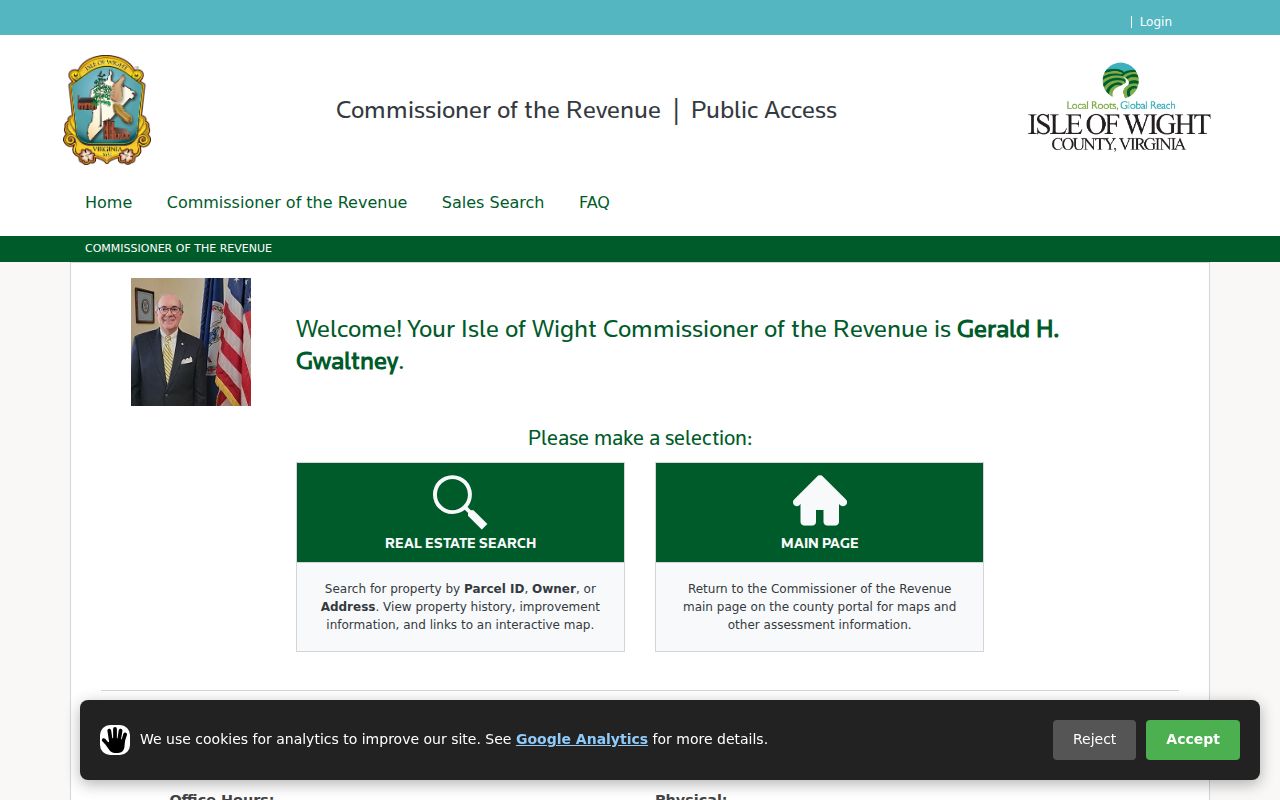
Pull the parcel card for a property-specific name. Compare it against the recorded deed before you rely on either one.
Isle of Wight Owner Record Sources
Several Isle of Wight records carry an owner name, but each serves a different purpose. The assessment portal locates the account. The deed index names the grantee. The GIS map links parcel shape to county geography. SCC filings can clarify the legal name and filing history of a company holding Isle of Wight property.
| Source | Owner Info It Gives | Access |
|---|---|---|
| Commissioner assessment | Owner and parcel information as displayed on the county record | Free Public Access portal |
| Circuit Court land records | Grantee named in a recorded instrument | SRA index; image access follows Clerk rules |
| Virginia SCC CIS | Entity status, registered agent, principal office, and filings | Public web search |
| County GIS | Parcel geometry and map context | Public viewer; tools not fully captured |
The owner of record is not always the person living on the land. A mailing address can belong to a trustee. It may also route to a fiduciary or a tax representative rather than the site itself. Company filings skip beneficial owners entirely. Let the deed answer ownership.
- Owner of record
- The name carried in a public assessment or recorded instrument; the exact field label was not captured.
- Grantee
- The party receiving an interest in a recorded conveyance.
- Situs address
- The property's physical location.
- Mailing address
- The place notices are sent, which may differ from the situs.
- Title
- The legal interest shown through deeds and other instruments, not a single portal result.
Isle of Wight LLC Owner Records
An LLC or corporation on a deed changes the workflow. Use the exact entity name. The Virginia SCC Clerk's Information System returns its filings. Filings show entity status, registered agent, principal office, and history. That detail confirms two records describe the same legal entity. It never proves who benefits from the company or occupies the land.
Compare the legal name against the deed grantee and the Commissioner record. Check the deed grantee too. Punctuation and suffixes differ. Do not match on similar names alone. Demand a parcel or filing reference first. For a trust or estate, use the fiduciary and instrument named in the recorded document. The county portal publishes no beneficial-owner field. Virginia SCC CIS is the official business-entity search, and its public filing view adds company context to any Isle of Wight ownership lookup.
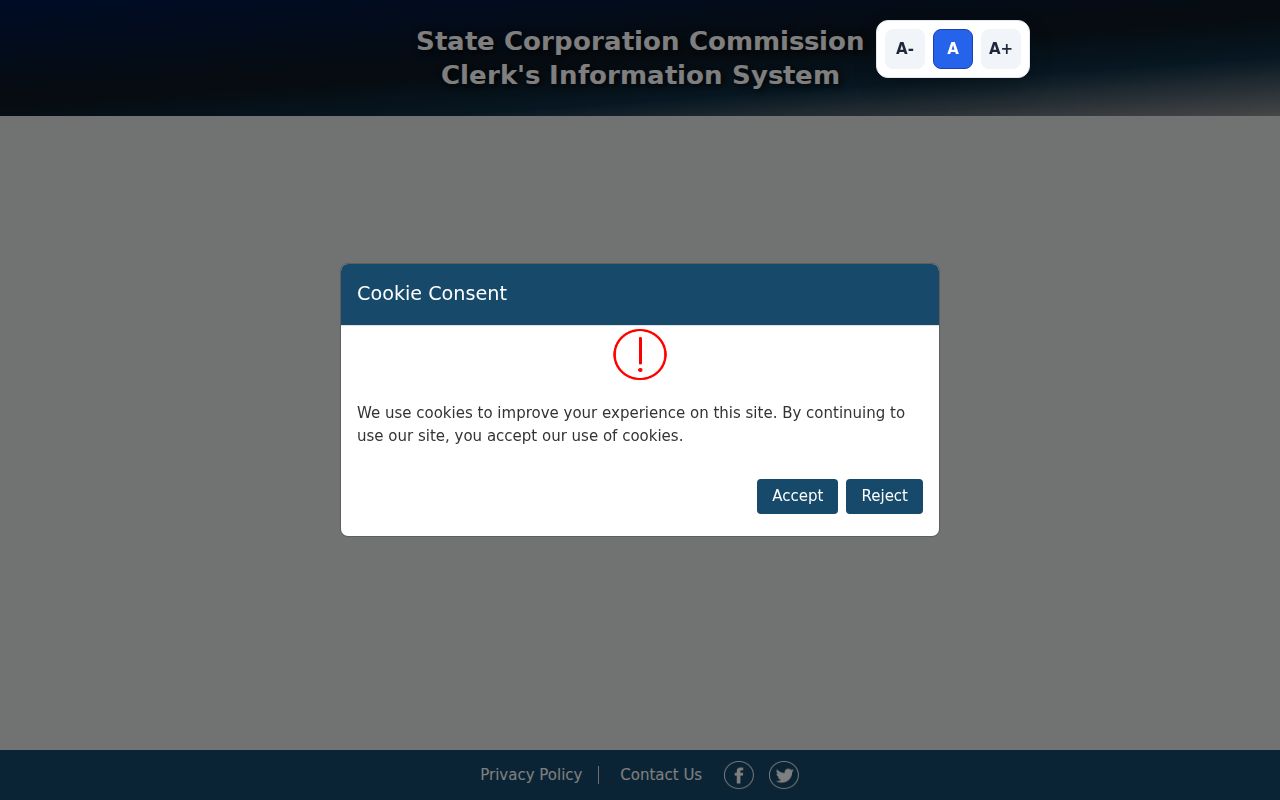
Treat the filing as an entity cross-check. It does not prove a person's tie to the land.
Isle of Wight Situs and Mailing Names
A situs address identifies where the parcel sits. A mailing address simply routes bills and notices. The two often diverge for an out-of-town owner, an LLC, a trustee, an estate, or a paid representative. Recorded deeds can compound the puzzle. Older instruments, especially for rural land or early town lots, may rely on a legal description instead of a street address. Match street, Parcel ID, and legal description. Smithfield's 72-lot founding grid and its historic street names do not always line up with later neighborhood labels. Windsor papers still mention Corrowaugh and Windsor Station. Such history terms can lead you to an old document, but the recorded description must still match the present parcel.
Isle of Wight's Recent Deed Gap
Isle of Wight publishes no county figure for the lag between a sale and the assessment roll update. One local timing clue exists. The Clerk's 2016 Logan system upgrade is described in the budget, where documents could be scanned when received and appear online before final verification. A just-recorded deed can outrun the Commissioner record.
For a recent transaction, pull the latest deed. Ask the Clerk about a recorded-but-unverified status. Then contact the Commissioner. Do that if the assessment name has not changed. Never estimate the lag from another Virginia locality, because the correct owner of record depends on the instrument and its legal description rather than an assumed refresh schedule. The newest deed detail belongs to the Isle of Wight deed records path, and the present assessment-card method belongs to the current-owner lookup.
Isle of Wight GIS Is Parcel Context
The County GIS Parcel Viewer displays parcel geometry along with map aids such as flood zones and fire hydrants. Updates land in the first week of each month. No adjacent-owner tool is documented. No live owner attribute panel appears either. Rely on the Commissioner portal and land records for names. Use the map to confirm the shape. Check the outline against the parcel number, and remember that GIS geometry is reference information, not title evidence or a survey.
A parcel outline can catch a mismatch between a street address and a map result, but the recorded plat and deed control the legal description. For a fence, lot split, access dispute, or sale, ask for the recorded source. Hire a licensed survey if the line matters.
Limits of Isle of Wight Owner Lookup
A county record can name the owner of record. It cannot prove who occupies the property. Nor does it show unrecorded interests or a title free of every claim. An LLC or trust may hold title. The mailing address may belong to an agent or fiduciary. Use the recorded deed for the legal interest. Ask the custodian to verify any result.
Virginia's Address Confidentiality Program under §2.2-515.2 provides designated addresses and FOIA protection for records identifying eligible participants. Public availability never makes personal details fair game for repeated contact or harassment. Keep an ownership lookup tied to property research, due diligence, or civic records review.
Lawful use. An Isle of Wight owner lookup is for property research and due diligence. Do not use a name or mailing address to stalk, threaten, or harass anyone.